

Every great design project starts somewhere. Sometimes it begins with a clear vision and other times it starts with a collection of ideas, a Pinterest board and a feeling that something about their garden could be better.
Whatever brings a client to us, our role is to help turn early thoughts into something tangible. But before we begin thinking about the actual layout, materials, colours or finishes, there is an important journey to take. Our design process allows us to understand the people behind the project, how they want to live or work, and what they want their space to feel like.
It begins with a conversation
The journey of most of our projects begins with a phone call. At this stage, it’s more of an initial ‘getting to know each other’ call where we ask what the client wants to achieve, what the current space if like and explain how we work. We like to hear about ideas, what is and isn’t working in their existing space, and what has prompted them to consider a change. Perhaps they have a particular style in mind, or perhaps they know how they want the space to function but aren’t quite sure how to bring everything together.
These first conversations are just as much about listening as they are about asking questions. Understanding a client’s priorities, lifestyle and practical requirements helps us establish the foundations for a successful design.
We also talk through the next steps, explain how our process works and answer any initial questions.
For this particular project we started with the following brief:
- Transform the rear garden into a low-maintenance, naturalistic country/cottage garden centred on wildlife, privacy, tranquillity and discovery.
- Desired character: timeless, organic, “Narnia-esque”, like stumbling into an old nature reserve.
- Client wants high involvement in the design and sourcing process.
- Explore subtle references to Mauritian, South African and Irish family heritage.
A visit to the studio: exploring the aesthetic
With a better understanding of the project, we can begin to explore its creative direction. This is where a visit to our studio becomes an important part of the process.
The studio gives us the opportunity to bring ideas to life in a more visual, tangible way. So rather than trying to imagine how everything might work from a conversation alone, clients can begin to see how colours, textures, materials and finishes could come together.
We start by exploring the overall aesthetic. This isn’t just about choosing a colour palette or deciding whether a space should feel contemporary, classic or somewhere in between. It is about understanding the atmosphere we want to create.
These conversations help us identify the common threads running through their ideas and preferences. Sometimes a client’s inspiration is already quite cohesive; at other times, there are several different influences to bring together.
In this case, our client had produced a Pinterest board of images, ideas and aesthetics to really help us grasp the look and feel of the space they wanted to achieve.
Once we have begun to establish the aesthetic, we tend to use moodboards to communicate the design direction. It’s more than a collection of beautiful images – it is a visual tool that helps translate a client’s thoughts, preferences and aspirations into a clearer, more cohesive concept.
Through carefully considered imagery, colour palettes, textures, materials and reference points, we start to establish the look and feel of the proposed space. Each element contributes to the bigger picture, helping us explore how different choices might complement one another.
Feedback at this stage is not only important but invaluable! It allows us to refine the direction before moving into the design work. The last thing we want is to take a direction which doesn’t fit with the clients vision and to waste everyones time.
From inspiration to design concepts
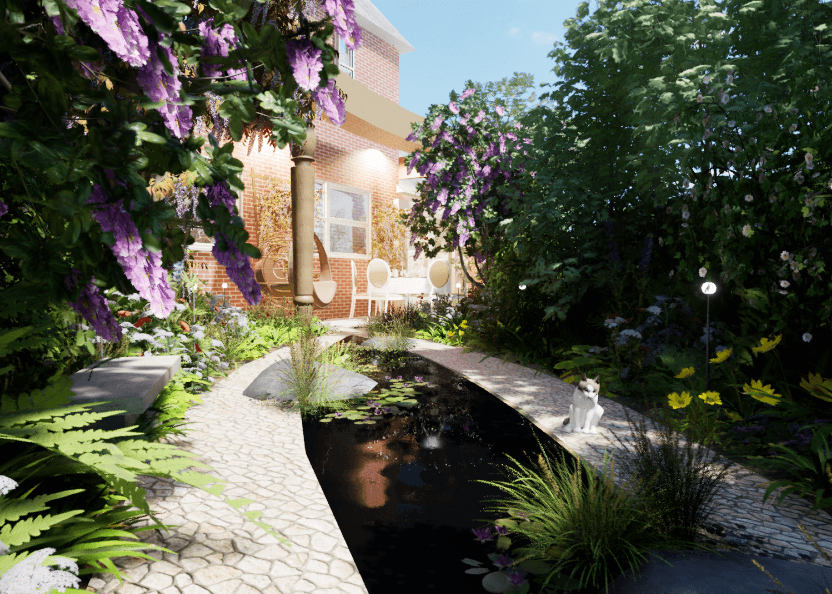
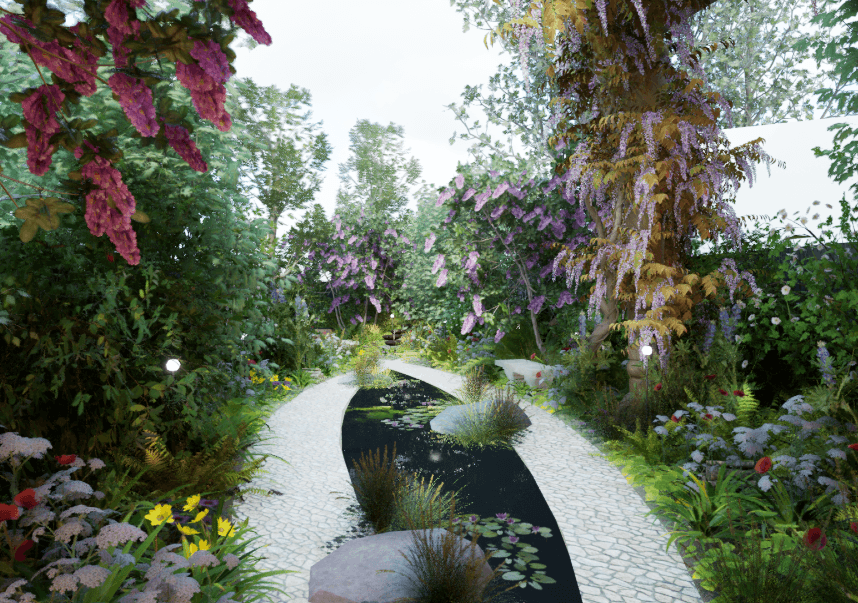
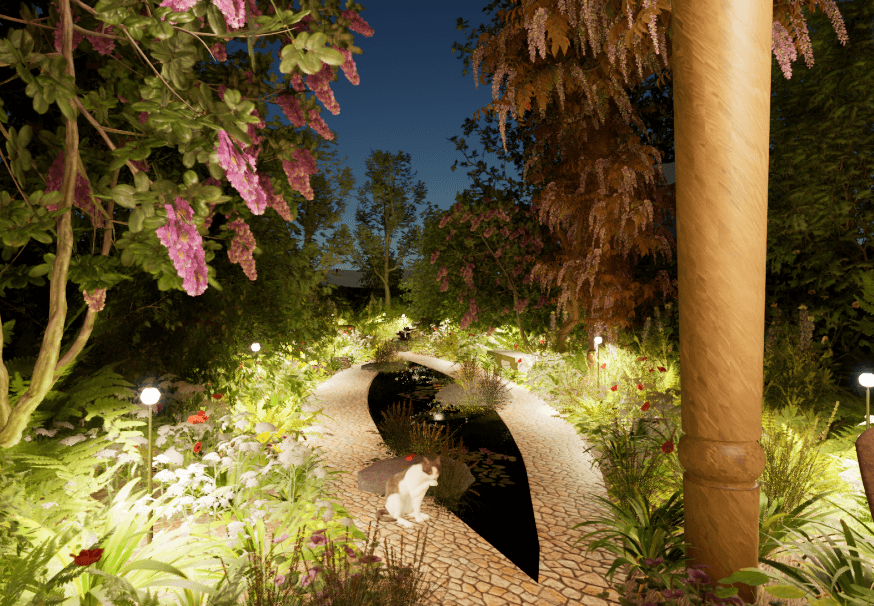
With the groundwork in place, we can begin translating the creative direction into design concepts. This is the point where the different strands of the process start to come together. Our understanding of the client’s needs, the characteristics of the property and the agreed aesthetic all inform the designs we develop.
With a visit to our studio, we present these concepts, giving the client something concrete to respond to. We can talk through the thinking behind the proposals, explain the design choices and explore any adjustments that would help bring the vision closer to their expectations. It is an exciting stage because the project begins to feel real. What started as a conversation is now taking shape as a considered design, built around the client’s needs and the possibilities of their space.
This is also the point where we get VR involved. With the use of our VR headset, our clients can jump right into their proposed new outdoor space and get a feel for the scale and use of space.
Every great design starts with understanding
Looking back at the journey from that first phone call to the initial design concepts, it is clear that important work happens before the final details are decided. Listening, asking questions, exploring ideas and developing a shared creative direction all play a part in creating a successful outcome. Each stage builds on the last, allowing us to move forward with greater clarity, confidence and purpose.
For us, good design isn’t simply about creating a beautiful space. It is about understanding the people who will use it, recognising the potential in their surroundings and bringing together the practical and the aesthetic in a way that feels considered and personal.