

Designing a garden is about more than how it looks in summer. For many of our clients, it is about how that space will support family life now and continue to do so for decades to come. Whether you are raising young children, welcoming grandchildren, sharing your home with dogs, or thinking ahead to later life, thoughtful design makes all the difference.
A luxury garden should be beautiful, practical and reassuringly safe. Here we explore how considered design can future proof your outdoor space, create pet friendly areas and prioritise non toxic planting, without ever compromising.
Designing for family life at every stage
Family life changes quickly. Toddlers become teenagers, children leave home and parents grow older. A well designed garden anticipates those shifts.
For young families, we often incorporate lawn areas for play, but we avoid the bland, featureless rectangle. Subtle changes in level, curved borders and layered planting create interest for adults while still allowing space for football matches and garden picnics. Integrated storage for toys and sports equipment keeps the space looking composed rather than chaotic.
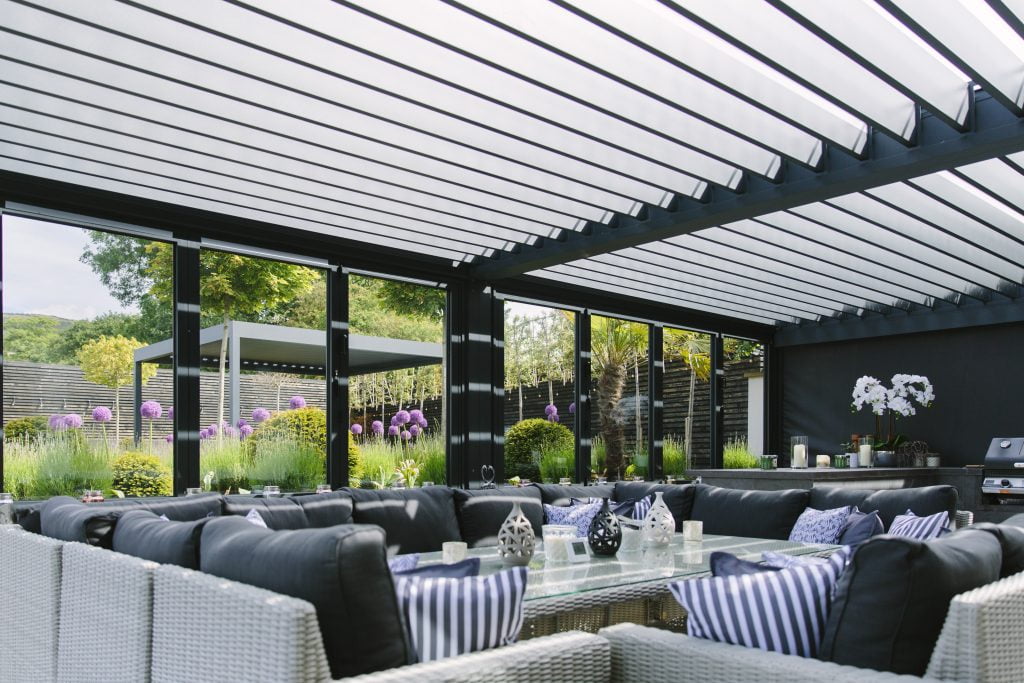
As children grow, the garden can evolve into a space for entertaining friends and hosting celebrations. Outdoor kitchens, fire pits and covered seating areas extend its use into the evening and across the seasons. Good lighting design is essential, not only for ambience but for safety.
When future proofing for older age, accessibility becomes key. Wide, level pathways with non slip surfaces allow for confident movement. Steps can be replaced or complemented by gently graded ramps. There should be plenty of seating options and rest points along the way. Raised beds are particularly valuable as they reduce the need to bend and make gardening possible for those with limited mobility.
Designing with mobility in mind
Mobility considerations are not only for later life. Temporary injuries, long term health conditions or visiting relatives may all require step free access and thoughtful layouts.
Routes from the house to seating areas, lawns and outbuildings should be generous in width, surfaces must be even, well drained and properly installed to prevent future movement. Handrails, if required, can be integrated into the design rather than added as an afterthought. Subtle changes in planting or low walls can provide guidance without making the space feel clinical. Lighting once again plays a vital role – along paths and near changes in level is especially important. A garden designed with mobility in mind should feel inclusive.
Pet friendly spaces without sacrificing style
Dogs and cats are part of the family, and their needs deserve consideration. Durable lawns are a priority especially for dogs. Defined zones can help protect delicate planting. Low hedging or subtle edging keeps dogs out of borders without creating an obstacle course. Gravel must be chosen carefully, as small stones can be uncomfortable or easily displaced.
Shaded areas are essential in warmer months. Cats particularly enjoy a shady spot to retreat to -trees and pergolas provide this whilst adding structure to a space. Fresh water points and discreet washing areas near entrances can also be incorporated, making life easier after muddy walks.
Importantly, we consider safety. Certain popular garden plants, such as foxgloves and yew, are toxic. We guide clients towards safer alternatives and ensure that any potentially harmful species are avoided or positioned appropriately.
Non toxic planting and responsible choices
Increasingly, clients are concerned about the environmental and health impact of their gardens. Non toxic planting is not only about pets and children but about creating a healthier ecosystem overall. We carefully select plants that are safe for families while still delivering beauty and seasonal interest.
Beyond plant choice, we minimise the use of harsh chemicals. Where possible, we specify peat free composts and support local nurseries.
Water management is another key consideration in the UK climate. Permeable paving, rain gardens and discreet drainage solutions protect both your home and the wider environment.
Why professional design matters
It can be tempting to tackle these things one at a time, adding a ramp here or changing a few plants there. But the real benefit of professional garden design is looking at the whole space together and planning it properly from the start.
Creating a garden that is both beautiful and practical takes knowledge and experience. Materials need to be right for our climate, surfaces need to be laid correctly and plants need to suit their setting. Our job is to understand how you live now and how that might change in the years ahead. We then shape those ideas into a design that feels beautiful and truly personal.
A luxury garden should not just look wonderful on the day it is finished. It should continue to support you as children grow up, as pets become part of the family and as your own needs change over time. Designing with these things in mind does not restrict creativity. In many ways, it leads to more considered and characterful spaces.
If you’re ready to start your journey to a new garden, click below to arrange a relaxed, no-obligation conversation.
Take a look at our case studies for more garden design inspiration.