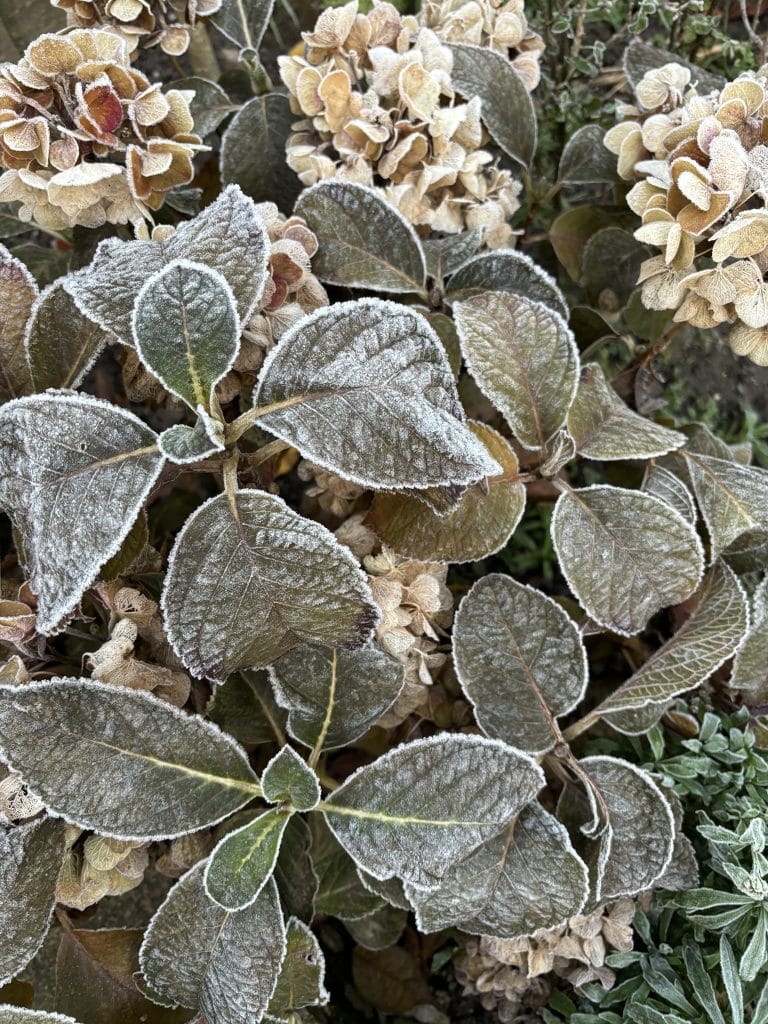
January and February can feel like a quiet months in the garden. Growth slows as frost takes over, borders look bare, and many people assume there is little to be done outdoors. In reality, this is one of the most important times of year for wildlife, and our own gardens can play a vital role in helping birds, hedgehogs and insects survive the winter.
You do not need acres of land or a wild, unkempt space to make a difference. Even well designed, structured gardens can support wildlife with a few thoughtful choices.
Why your garden matters in winter
During winter, food and shelter are harder to find for wildlife – trees and bushes are mostly bare and frozen water sources can make life difficult. Whilst natural resources are limited, the cold weather throughout winter forces animals to burn more energy. Domestic gardens have become essential stepping stones for wildlife, especially in urban and suburban areas.
Small actions taken now can improve survival rates and ensure your garden is full of life, and hopefully young offspring, when the better weather arrives.
Practical ways to help birds in winter
Birds rely heavily on gardens during winter. One of the most effective things you can do is provide a reliable food source.
Place bird feeders in sheltered positions, ideally close to shrubs or hedging where birds can quickly retreat if threatened. High energy foods such as fat balls, suet blocks, peanuts and sunflower hearts are best at this time of year. Avoid bread, which offers little nutritional value, and scraps or leftover as these can attract pests.
Fresh water is just as important. A shallow bird bath or bowl should be topped up daily, and ice gently broken during freezing weather. If possible, raise the water slightly off the ground to help keep it cleaner and safer.
Planting also plays a role in helping the wildlife in your garden. Evergreen shrubs, hedges and climbers provide protection from wind and predators. If your garden already includes these, avoid heavy pruning until spring to allow birds to feel safe.
Supporting hedgehogs in your own garden
Hedgehogs are now classed as vulnerable in the UK, which is absolutely heartbreaking – gardens are now critical to their survival. January is peak hibernation season, so the most important thing you can do is avoid disturbance.
Leave any piles of leaves, logs or compost which may have built up during the year undisturbed until late spring. If you have a shed or quiet corner, this can be an ideal place for a hedgehog to nest and purpose built hedgehog houses can also be placed in secluded, shaded areas. If you haven’t noticed any hedgehogs in your garden, it doesn’t mean they’re not there!
Before lighting bonfires or clearing debris, always check carefully for sleeping animals. This simple habit saves lives.
If you have fencing, consider creating a small gap at ground level to encourage hedgehog traffic during the year. This access make a huge difference, particularly in built up areas.
Helping insects survive the winter
Insects may be less visible in January, but they are essential to healthy gardens.
Resist the temptation to cut everything back as leaving stems, grasses and seed heads standing can provide shelter and food for insects and birds alike. Tidy the garden gradually in spring instead.
If you have piles of fallen leaves beneath shrubs or trees, leave them in place for now. This natural layer not only insulates the soil and protects plants from frost, but keeps insects sheltered.
Insect hotels are another simple addition and work best when placed in a dry position away from strong winds. Don’t worry though, they do not need to be large or dominant in your outdoor space to be effective.
Avoid using pesticides or chemical treatments, even during winter. These disrupt the natural balance and reduce the number of beneficial insects your garden can support.
Balancing wildlife support with a well kept garden
A lot of this information can a feel a bit overwhelming, especially if your garden is small or highly-designed. A wildlife friendly garden does not need to feel messy, neglected or dominate the space. The main thing is intention and even the smallest of things can make the biggest difference.
Choose areas to remain natural and undisturbed, while keeping main paths, lawns and sightlines clear. Natural materials such as timber, stone and gravel age beautifully and provide habitat without compromising design.
Looking ahead
What you do in your garden this January directly affects how alive it feels in the months ahead. Birds supported through winter will nest nearby. Insects that survive will pollinate plants. Hedgehogs that hibernate safely will return.
By making a few conscious choices now, you are creating a garden that supports wildlife year round while remaining elegant, functional and enjoyable.
A garden should be more than something to look at. It should be a living space that gives back, quietly and beautifully, season after season.
If you’re ready to start your new garden journey, click here to book your consultation.
Take a look at our case studies for more garden design inspiration.